Chicago Empty Nesters: Milwaukee Condo or North Shore Home?
Angela Walters November 5, 2026
Angela Walters November 5, 2026
For Chicago empty nesters, moving to Milwaukee is not simply downsizing. It is choosing what you want to manage, where you want to spend time and how much privacy you still need.
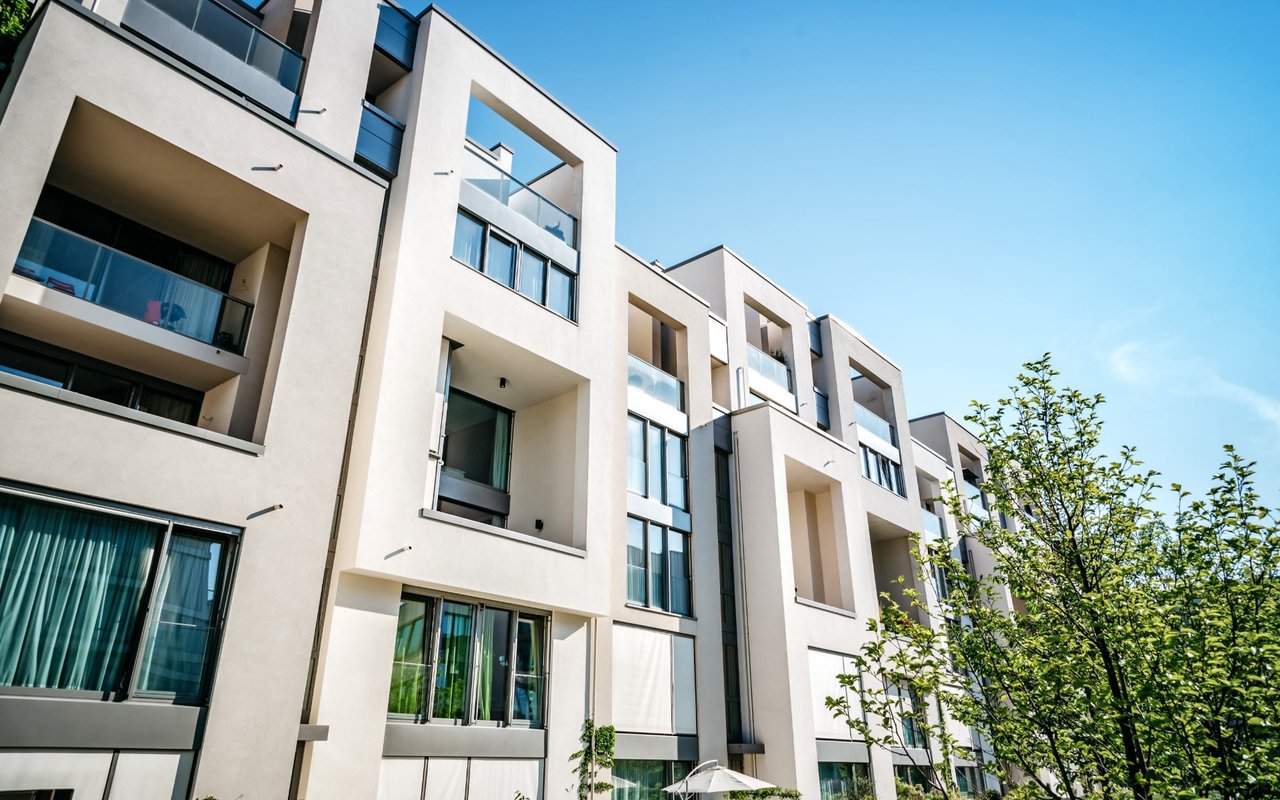
A luxury condominium in the Historic Third Ward or near the lake can create a lock-and-leave urban base. A home in Shorewood, Whitefish Bay, Fox Point or Bayside can offer greater autonomy, outdoor space and room for family. Neither is the “more luxurious” choice. They solve different daily problems.
Write down an ordinary week before touring. Do you want to walk to dinner, galleries, the Milwaukee Public Market or the RiverWalk? Do you host adult children for weekends? Do you need a dog yard, workshop or private garage? How often will you return to Chicago?
The answer should determine the format. Buying excess space because it appears affordable can recreate the maintenance burden you intended to leave.
The Historic Third Ward combines adaptive reuse, housing, dining, galleries and river access in a compact district. Downtown and lakefront buildings offer other combinations of views, services and cultural proximity.
Condominium living can simplify exterior maintenance and security, but it transfers decisions to an association. Review reserves, budgets, insurance, engineering reports, pending assessments, owner-occupancy, rental rules, pets, parking, storage and renovation restrictions.
The unit is only one part of the purchase. A beautiful interior in a financially weak association is not low-maintenance living.
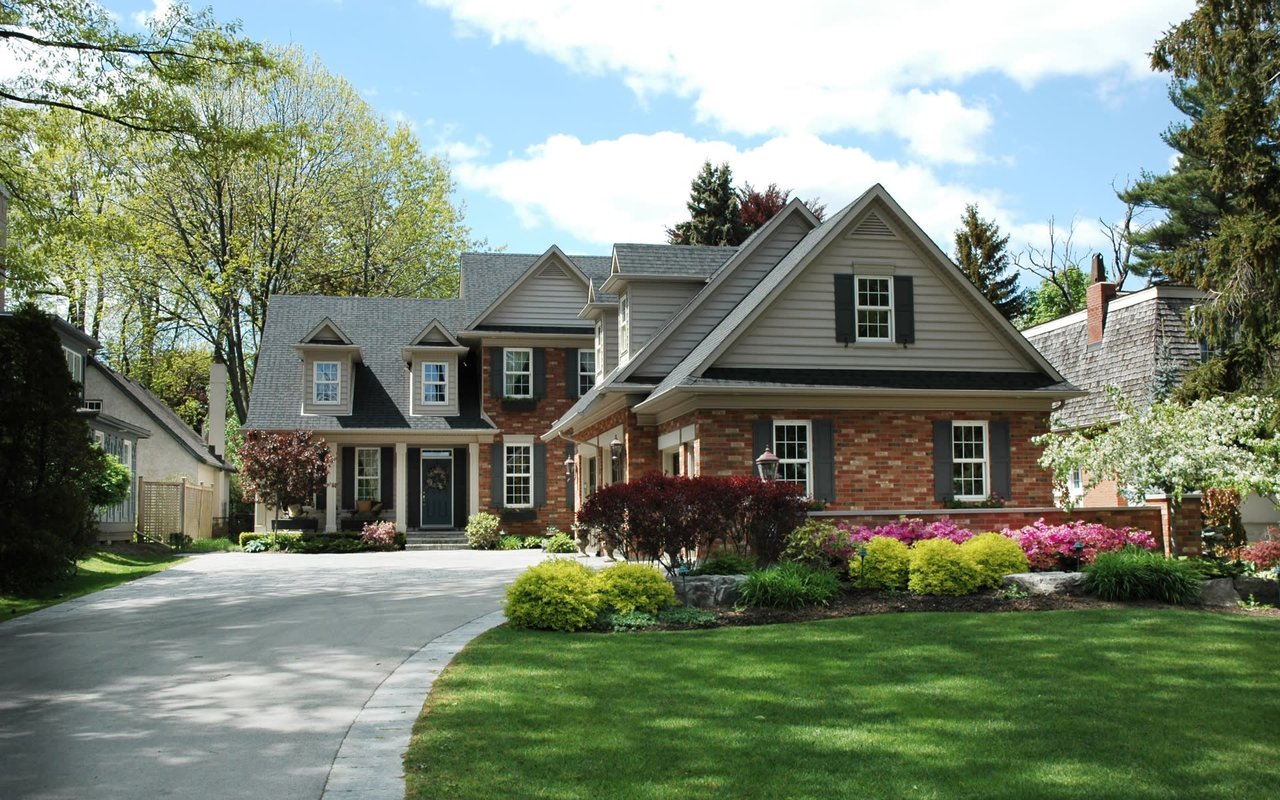
Shorewood and Whitefish Bay provide close-in community living with different housing styles and village patterns. Fox Point and Bayside generally introduce larger lots and more separation.
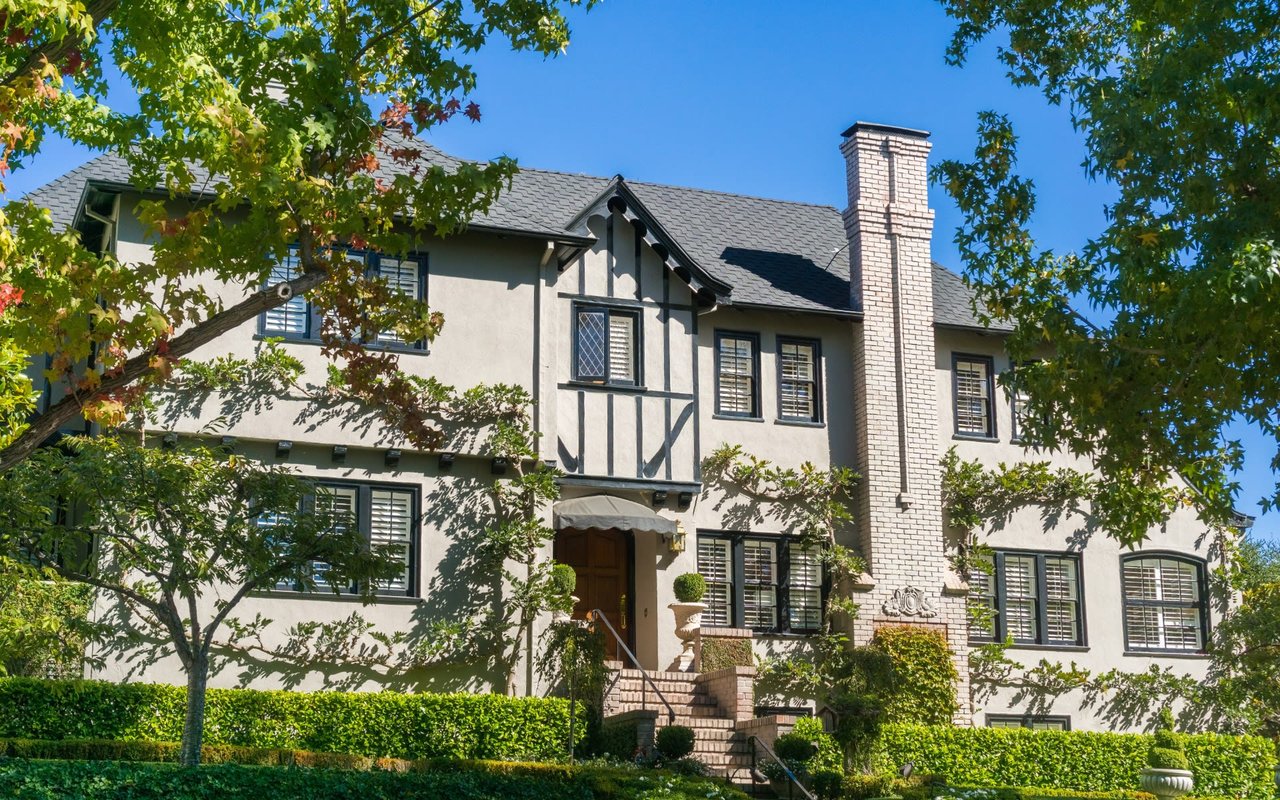
A single-family home offers control over timing, design and maintenance. It also makes the owner responsible for roof, exterior, snow, landscape and capital planning. For frequent travelers, the service network becomes part of the property.
The North Shore may be the better fit when guests, outdoor living, hobbies or privacy outweigh the desire for building amenities.
For a condominium, include association dues, assessments, parking, storage and the financial health of the building. For a house, include taxes, insurance, utilities, snow, landscaping and reserves for roof, masonry, windows and mechanicals.
Chicago buyers may find Milwaukee acquisition prices attractive, but relative price should not encourage unnecessary space. Calculate the annual cost and management time for the lifestyle you actually want.
In a condominium, ask how the building handles water leaks, packages, guests, alarms and emergencies when owners are absent. Confirm whether staff is on site and what services are included.
In a house, determine who will perform checks, snow removal and seasonal maintenance. Smart devices provide information, but someone still needs authority and access when a problem occurs.
A two-bedroom condo may work beautifully until children arrive with partners and grandchildren. A larger unit, guest suite or nearby hotel strategy can solve that without buying a house.
A North Shore home can provide more flexible guest space, yet bedrooms used only a few weekends per year carry ongoing cost. Be honest about frequency and duration.
Consider entry steps, elevator reliability, main-level living, door widths, bathroom layout and distance from parking. A property that works now should also support likely needs ten years from now.
Condo owners should understand elevator modernization and backup systems. House buyers should evaluate whether a first-floor suite or future adaptation is feasible.
Test the trip to the Chicago address, family and preferred airport. The best Milwaukee location depends on how often you will make that trip and whether you will keep another residence.
If Milwaukee will be a second home first, condominium simplicity may be valuable. If it will become the family center, a North Shore home may provide the needed flexibility.
It can be, especially for buyers who want continued regional access with a different cost and lifestyle structure. Test your specific travel pattern.
No. Associations handle defined common responsibilities, while owners retain unit obligations and share building costs.
Shorewood and Whitefish Bay are close-in, followed by communities farther north. Exact route and address matter.
Renting can help when lifestyle preference is unclear, but a structured comparison may provide enough confidence to buy directly.
Declaration, bylaws, rules, budgets, reserves, insurance, meeting minutes, engineering reports and pending assessment information, with appropriate advisers.




Whether you are buying, selling, or stepping into a new chapter, Walters Realty Group delivers the expertise, strategy, and elevated service to make your move seamless from start to finish. Connect with our team today and let us guide your next move with confidence.