River Hills Estate Homes Guide for Buyers and Sellers
June 11, 2026
June 11, 2026
If you picture estate-style living as a mix of privacy, land, and a home that feels set apart from the next, River Hills stands out right away. For many buyers, the appeal is not just the house itself, but the space around it and the quiet rhythm that comes with a low-density setting. If you are exploring River Hills, this guide will help you understand what makes the village different, what daily ownership can look like, and what to weigh before you buy. Let’s dive in.
River Hills is not a typical subdivision-based community. The village reports 5.5 square miles, 1,595 residents, and 617 households, with land use shaped heavily by large-lot single-family zoning.
Roughly 62% of the village is zoned for single-family lots of at least 5 acres, about 27% for 2-acre lots, and about 11% for 1-acre lots. That pattern is a big reason River Hills is often associated with estate-style living rather than compact village living.
For you as a buyer, that usually means more distance between homes, more tree cover, and a stronger sense of separation from neighboring properties. It also means the setting itself is a major part of the value.
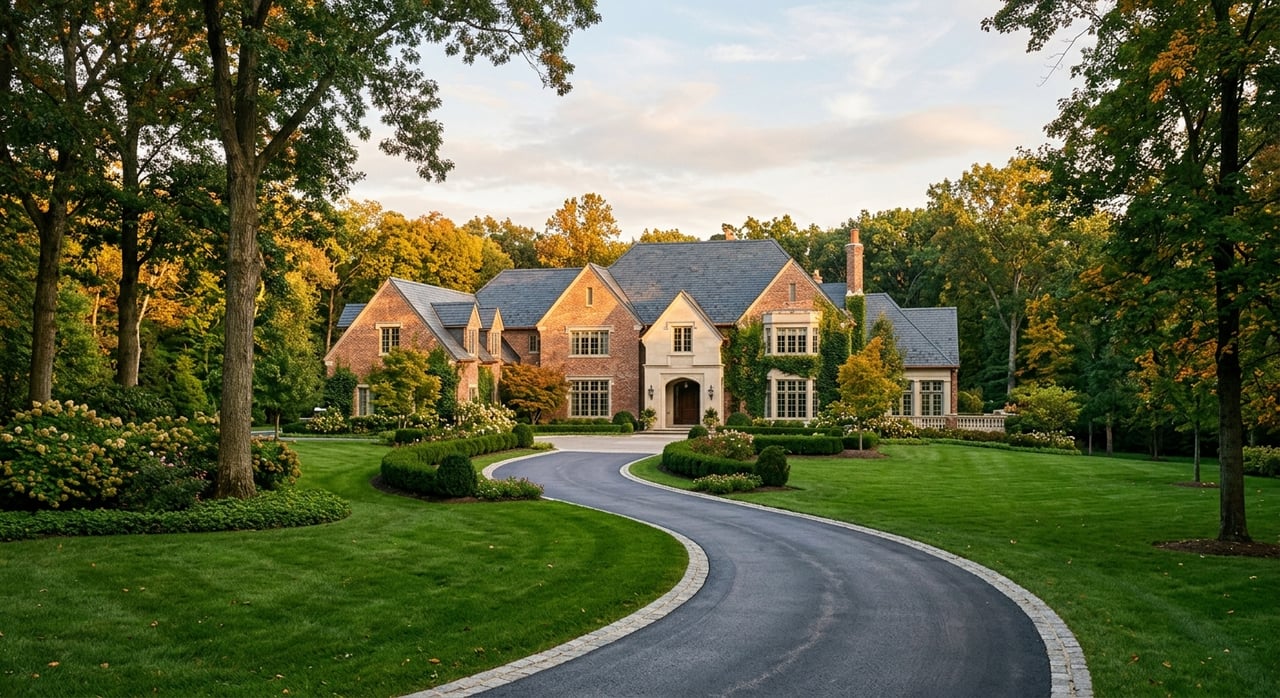
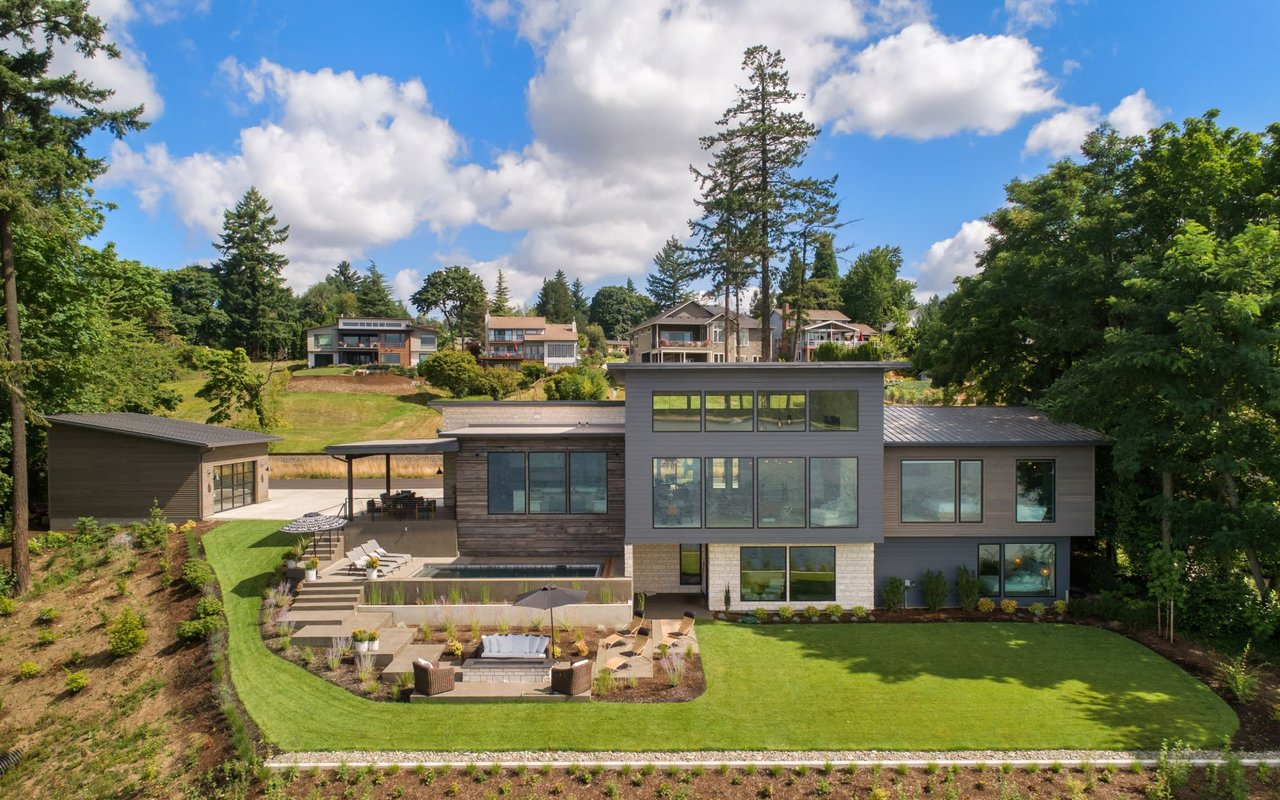
In River Hills, estate-style living is tied closely to land size and privacy. The village structure supports homes on 1-acre, 2-acre, and especially 5-acre sites, which creates a different feel than communities where homes sit on smaller, more closely spaced lots.
That difference shapes how you experience the property every day. Your lot may include longer driveways, larger lawns, mature trees, and more open space than you would typically find in nearby suburban neighborhoods.
The village also bans street parking and offers a house-watch service. Together, those details reinforce the quiet, residential atmosphere many buyers are looking for when they begin searching for an estate-style property.
If you are buying in River Hills, it helps to understand that usable space is not just about acreage. Zoning minimums are currently 5 acres in R-1, 2 acres in R-2, and 1 acre in R-3, but setback rules also shape how a property can be positioned and used.
The village setback sheet shows 100-foot front setbacks in all three lot categories. Side and rear setbacks vary by lot type, ranging from 75 feet on 5-acre lots to 30 feet on 1-acre lots.
In practical terms, that means large lots can still have important building and placement limits. If you are considering future changes such as an addition, outdoor improvements, or a new layout for the site, these rules are worth reviewing early.
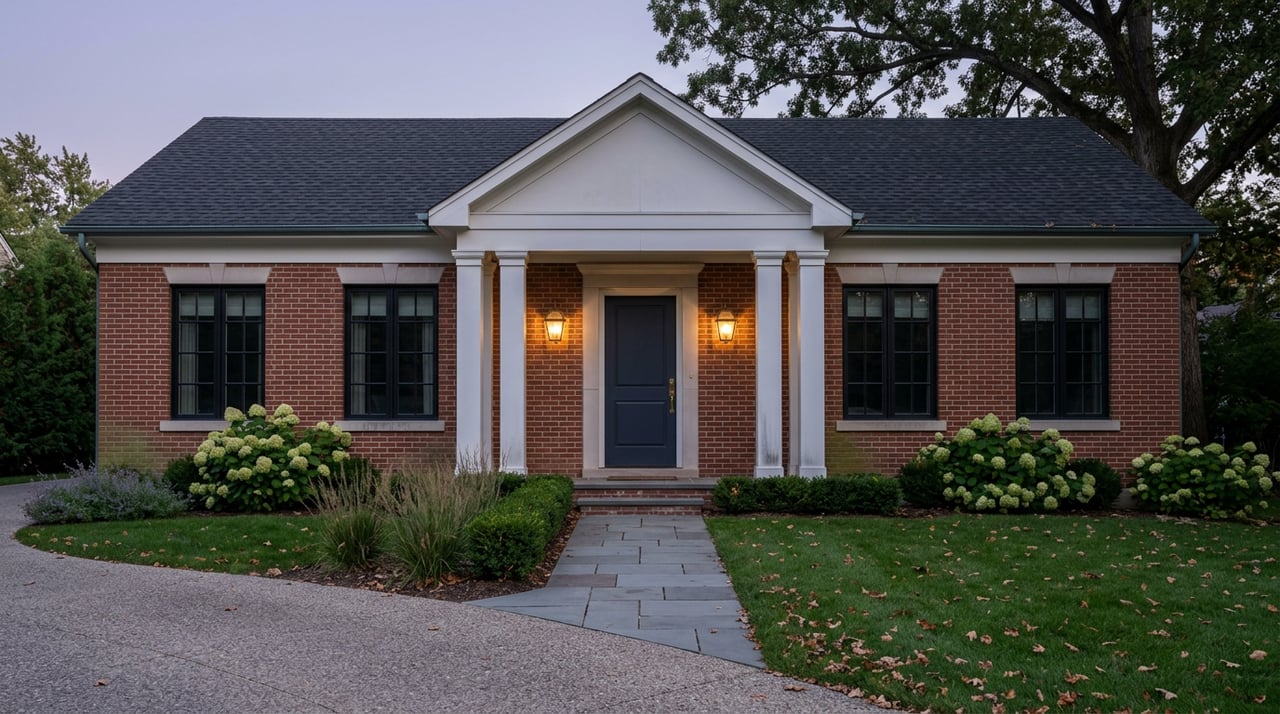
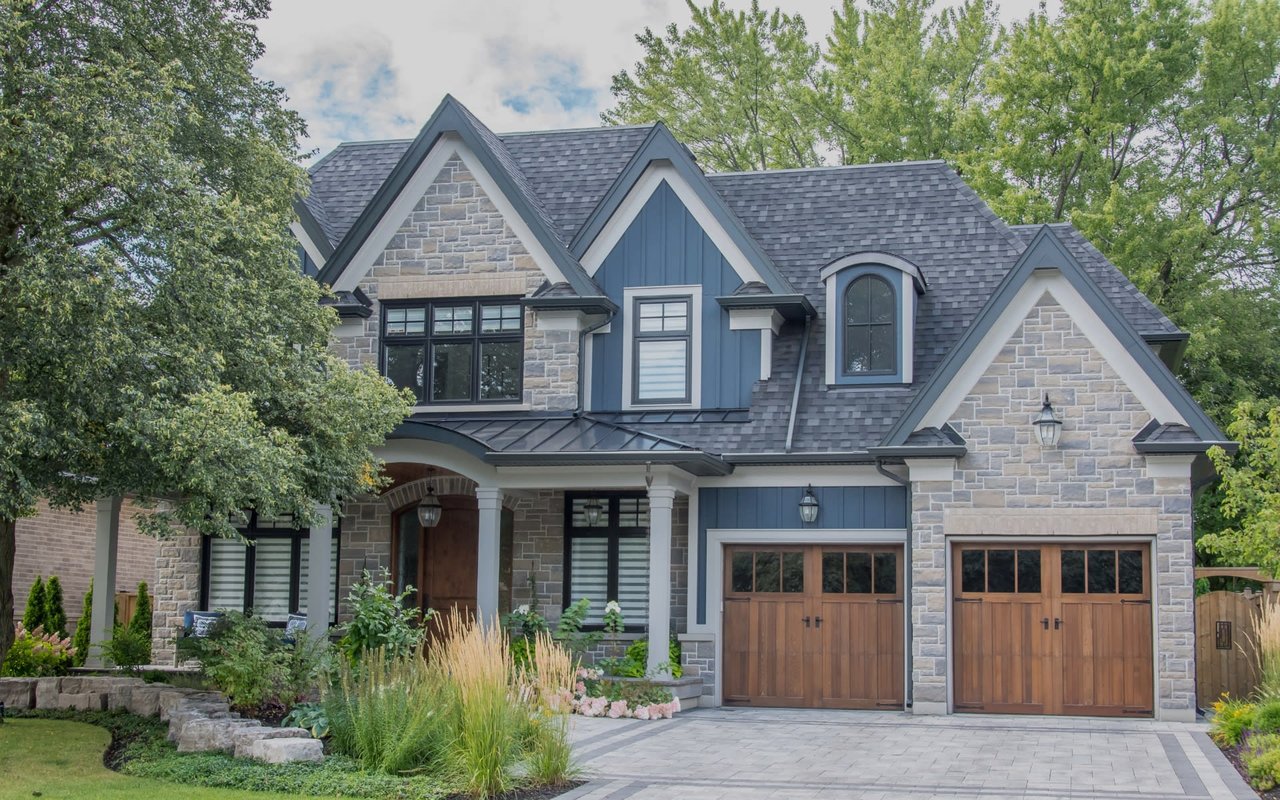
One of River Hills’ biggest draws is that it does not read like a one-style neighborhood. The village’s comprehensive plan describes historic homesteads that include Georgian Revival, Greek Revival, Queen Anne, and Tudor Revival architecture.
Wisconsin Historical Society records also show individual examples such as Tudor Revival and Tudor-influenced homes on Pheasant Lane, a Colonial or Georgian Revival farmhouse on Green Bay Road, and a Queen Anne home on Upper River Road. The broader takeaway is that River Hills often feels like a landscape of custom homes and historic homesteads rather than repeating floor plans.
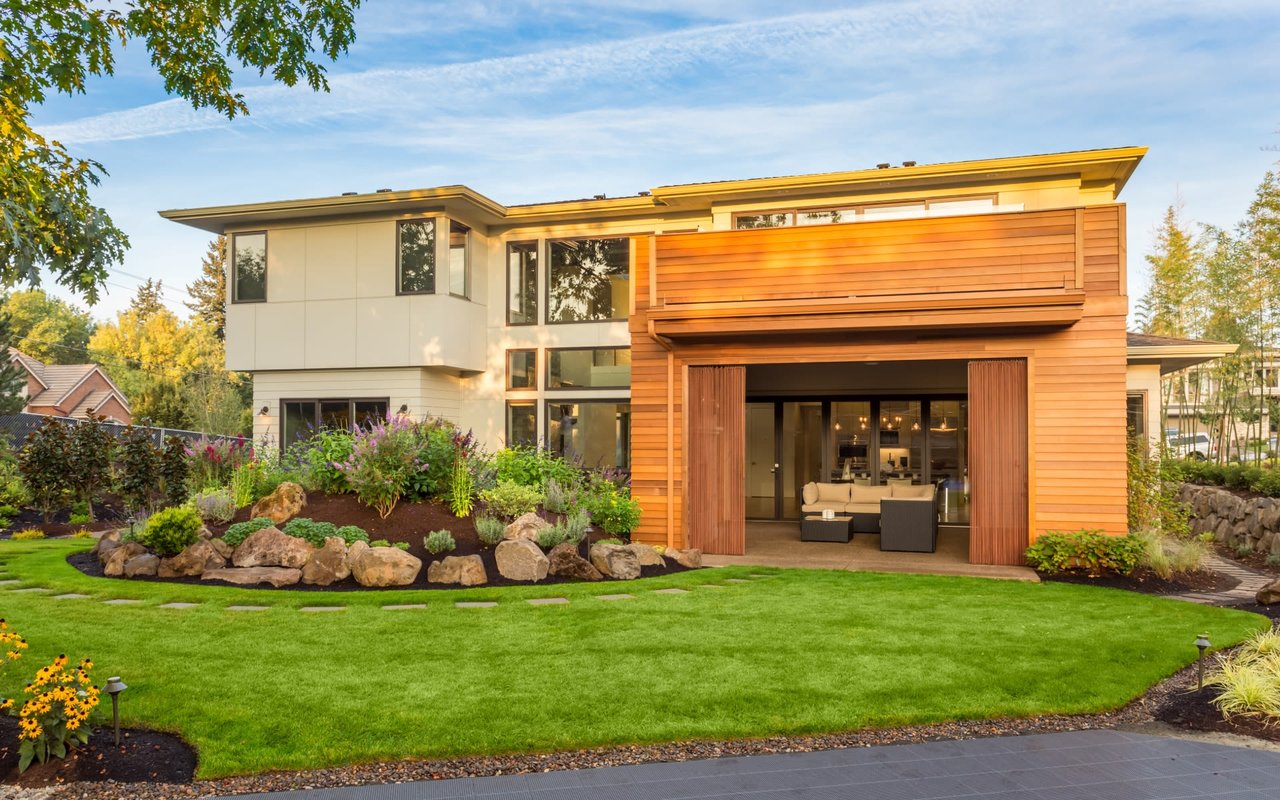
For buyers, that can be a major plus. You may find more architectural personality and site-specific design than you would in a more uniform housing pattern.
Larger lots often create the privacy buyers want, but they also bring more responsibility. In River Hills, more land can mean more lawn care, more tree maintenance, more driveway upkeep, and closer attention to drainage and runoff on your property.
The village provides monthly brush pickup and every-other-week recycling, and its planning documents note that tree cover, open space, and lot size help absorb stormwater. At the same time, localized flooding can still occur, and mitigation work on private property remains the owner’s responsibility.
That does not mean estate ownership is a burden. It simply means you should budget for a different maintenance rhythm than you might expect in a smaller-lot neighborhood.
Before you buy, it is smart to look beyond the home itself and ask how the site functions. River Hills relies on groundwater for potable water, some residents are served through neighboring communities’ water-purchase agreements, and most properties are on sanitary sewer.
The village’s comprehensive plan noted that only about 11 of more than 750 properties were using on-site septic systems at that time. Even so, utility setup can vary by property, so this is one of those details that deserves property-specific review during your due diligence.
For estate-style homes, site conditions matter because the land is part of the lifestyle. Water service, drainage, and the overall condition of the grounds all affect how the property lives over time.
River Hills is best suited to buyers who want space and a quieter residential setting. The village’s comprehensive plan describes it as a residential community with limited cultural and social facilities, which helps set clear expectations.
Key local amenities named in the plan include Milwaukee Country Club, Memorial Park, Bradley Sculpture Gardens, River Tennis Club, and the Cleaver Wildlife Refuge. These references help paint a picture of the area’s character without changing the village’s core identity as a low-density residential community.
A 2009 village survey found that residents associated River Hills with open space, low density, large lot sizes, and a quiet private atmosphere. While that survey is historical context rather than current market data, it aligns closely with the village’s zoning and land-use framework today.
If you are choosing among North Shore communities, River Hills offers a distinct tradeoff. Compared with nearby villages like Fox Point and Whitefish Bay, River Hills is much more estate-scaled in both population and lot structure.
Fox Point is a 2.8-square-mile suburban residential village with about 6,600 residents. Whitefish Bay is a 2.4-square-mile predominantly single-family village with about 14,000 residents, more than 4,800 residential properties, and more than 100 commercial properties.
River Hills, by contrast, has 5.5 square miles, 1,595 residents, and a lot structure dominated by 5-acre, 2-acre, and 1-acre zoning. If you want the North Shore option that emphasizes the most land, privacy, and custom-home character, River Hills is in a category of its own.
Estate-style living can be rewarding, but it works best when your expectations match the property. Before making an offer, it helps to think through both the house and the land.
Here are a few smart questions to ask:
When you answer these questions early, you can focus your search more clearly and avoid surprises later in the process.
If you are selling a home in River Hills, the property presentation needs to reflect more than square footage alone. Buyers in this market often respond to the full estate experience, including approach, grounds, privacy, architectural character, and overall condition.
That means preparation matters. Thoughtful landscaping, driveway condition, interior presentation, and strategic updates can all affect how a home feels when it hits the market.
At Walters Realty Group, our approach is rooted in pricing guidance, strong preparation, and polished execution. For sellers who want a more elevated launch, that can include support around improvements such as staging, painting, flooring, and landscaping to help the home show at a higher standard.
River Hills is not a plug-and-play market. The mix of large lots, setback requirements, variable site conditions, and custom-home character means each property should be evaluated on its own merits.
That is where local, detail-oriented guidance can make a real difference. Whether you are buying your first home in the North Shore, moving up for more land and privacy, or preparing an estate-style property for sale, a clear plan helps you move with more confidence.
If you are thinking about buying or selling in River Hills, Walters Realty Group can help you navigate the market with a thoughtful, concierge-style approach built around preparation, advocacy, and local insight.




Whether you are buying, selling, or stepping into a new chapter, Walters Realty Group delivers the expertise, strategy, and elevated service to make your move seamless from start to finish. Connect with our team today and let us guide your next move with confidence.