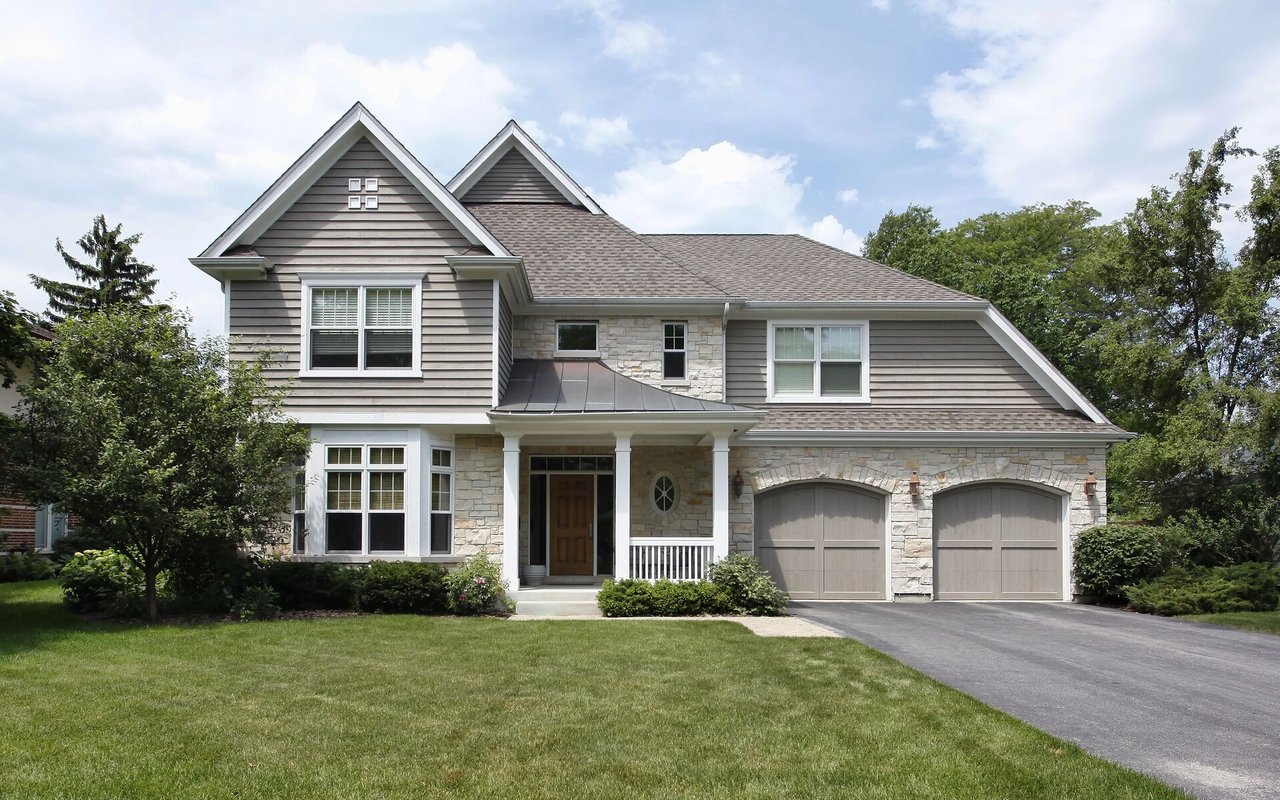
What a Standard Inspection May Not Tell You About a Wisconsin Estate
Angela Walters November 24, 2026
Primary question: What additional due diligence may be needed beyond a standard home inspection when buying a Wisconsin estate?
A standard home inspection is essential, and a Wisconsin estate may also require separate review of private wells, septic systems, long drives, generators, outbuildings, drainage, trees, insurance and system capacity. I start by identifying the specialists who can answer the property-specific questions a general inspection may leave open.
A general inspection provides a broad visual evaluation of a home’s accessible systems and components. Engineering, environmental, well, wastewater, shoreline, chimney, roof, tree, pool and insurance questions can require separate review.
Estate properties in River Hills, Mequon, western Ozaukee County, Elm Grove, Brookfield and Lake Country may combine a large residence with acreage, private utilities, multiple structures and complex mechanical systems. Each additional component creates an ownership responsibility and a possible specialist question.
A private well supplies water from groundwater and is largely the homeowner’s responsibility. The Wisconsin Department of Natural Resources states that Wisconsin law does not require a well inspection or water testing simply because a property is being transferred.
If a compensated property-transfer well inspection is performed, Wisconsin law requires a licensed water-well driller or licensed pump installer. The DNR’s fact sheet explains that the professional evaluates visible construction and pump features, tests drinking water for coliform bacteria, nitrate and arsenic, and searches for unused wells.
Buyers may also need property-specific tests based on local conditions, lender requirements or specialist advice.
For a large home, ask about well yield, pressure, storage and whether irrigation, multiple showers and guest use can operate together. Ask the specialist to address both code compliance and practical capacity.
A private onsite wastewater treatment system, often called a septic system, treats household wastewater on the property. Wisconsin’s Department of Safety and Professional Services regulates these systems under SPS 383, with local or county authorities handling many permits and inspections.
DSPS says systems must be visually inspected at least once every three years. For the anaerobic treatment tank common to many systems, servicing is required when combined sludge and scum reach one-third of tank volume. Many owners pump during the inspection cycle as a preventive measure.
Request the permit, system type, installation information, maintenance record, inspection history and pumping record. Verify the number of bedrooms and expected occupancy the system was designed to serve, especially if the property has been expanded or includes guest quarters.
If a buyer plans an addition, pool house or accessory dwelling, current system capacity and replacement-area feasibility may affect the project. Review those plans with the proper county, municipality and qualified professionals before assigning value to them.
Capacity asks whether a system can support the way the household intends to live.
Estate component | Specialist question | Why it matters |
|---|---|---|
Private well | Yield, pressure, water quality and unused wells | Large households and irrigation can stress supply |
Septic or POWTS | Design capacity, condition, maintenance and replacement area | Expansion and occupancy may exceed original assumptions |
Generator | Which circuits or loads are covered, fuel and service history | A generator may power only selected systems |
Electrical service | Amperage, panels, additions and high-load equipment | Pools, EV charging and large mechanical systems add demand |
Heating and cooling | Zoning, redundancy, age and service support | Large homes may have several systems and uneven exposure |
Private drive | Plowing, drainage, surface and emergency access | Winter access can be a recurring operational cost |
Outbuildings | Permits, utilities, condition and allowed use | Verify approvals for the use you have in mind |
Ask the seller for records and have the appropriate specialist verify the findings that affect your decision.
Verify what the backup system powers and for how long. A generator described as “whole house” may still have practical load limits, manual procedures or fuel constraints.
Request installation permits, model information, service history, test records and transfer information for any monitoring or service account. Ask how the well pump, sump pumps, heat, refrigeration, security, gates, internet and medical equipment behave during an outage.
For a long drive, identify the snow contractor, turnaround, drainage, slope, surface condition and emergency access. Check how quickly the drive can be cleared after a storm and what the service will cost.
Insurance availability and cost can affect whether the purchase remains practical. The Wisconsin Office of the Commissioner of Insurance identifies home size, age, condition, maintenance, location, severe-weather exposure, coverage limits and optional protections as factors that influence premiums.
For a high-value or distinctive home, replacement cost may differ substantially from market value. Historic materials, masonry, slate, custom millwork, detached structures, pools, shoreline exposure and distance from fire protection can affect underwriting.
Request a property-specific indication early enough to respond to underwriting questions. Discuss sewer backup, service line, equipment breakdown, valuables, ordinance or law coverage and other endorsements with a licensed insurance professional as applicable.
Wisconsin does not require a well inspection or water testing solely because a property transfers. A buyer, seller or lender may still request it. When a compensated property-transfer well inspection is performed, it must be completed by a licensed water-well driller or licensed pump installer under Wisconsin rules.
Wisconsin requires regular maintenance and a visual inspection at least every three years. DSPS explains that pumping for a typical treatment tank depends on the amount of sludge and scum in the tank. Review the specific system’s records and ask the county or a qualified specialist when service is due.
Confirm the inspection scope in advance. A generator technician or electrician may be needed to evaluate installation, capacity, transfer equipment, fuel, maintenance and which loads remain available during an outage.
Estate insurance can depend on replacement cost, age, materials, location, fire protection, claims history and special features. Those factors may require additional underwriting or endorsements. Obtaining a property-specific indication before deadlines expire helps the buyer understand cost, coverage conditions and whether repairs or documentation are required.
Angela Walters helps identify the property-specific questions, organize records, coordinate the transaction timeline and connect the buyer with appropriate inspectors and specialists. That coordination helps the client get answers before transaction deadlines.
Angela Walters and Walters Realty Group can help you build a due-diligence plan around the land, systems and responsibilities that come with the property. Contact Walters Realty Group for a private estate-home consultation.






Whether you are buying, selling, or stepping into a new chapter, Walters Realty Group delivers the expertise, strategy, and elevated service to make your move seamless from start to finish. Connect with our team today and let us guide your next move with confidence.