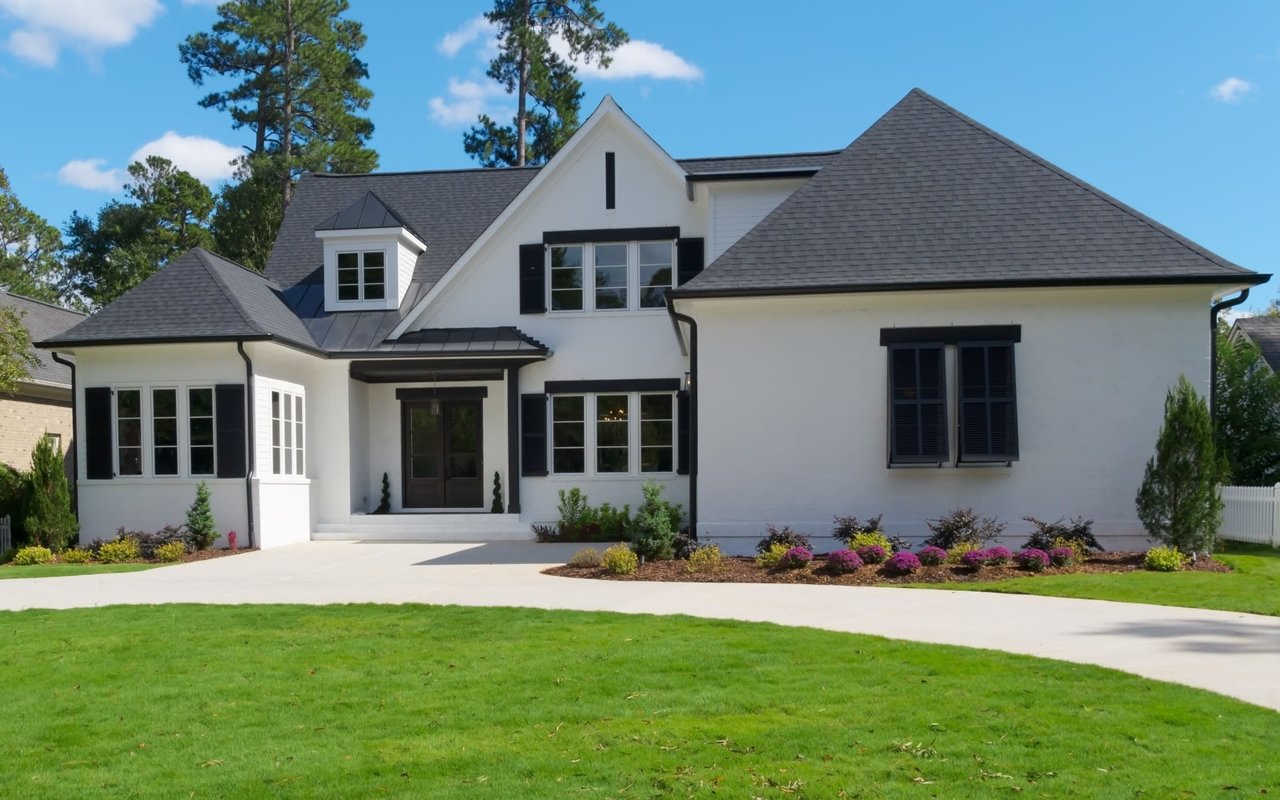
New Build Or Existing Home In Menomonee Falls
April 23, 2026
April 23, 2026
Choosing between a new build and an existing home in Menomonee Falls can feel like a tradeoff between convenience, cost, and long-term fit. If you are trying to balance budget, timeline, maintenance, and location, you are not alone. In this market, both options can make sense, but the right choice depends on how you want to live and how quickly you want to move. Let’s break down what matters most in Menomonee Falls so you can decide with confidence.
Menomonee Falls has a broad housing mix, which is one reason this decision is so common for buyers. The village has about 40,700 residents, a 74% owner-occupied rate, and a housing stock that serves a wide range of buyers with different goals and timelines. According to U.S. Census QuickFacts, the village’s 2025 median home value estimate is $390,164, up from $291,500 in 2019.
A major factor in the new-versus-existing decision is the age of local housing. The village’s 2025 comprehensive plan says nearly half of homes in Menomonee Falls were built before 1980. That creates more opportunities to buy an established home at a lower entry price, but it also means many properties may need updates or ongoing maintenance.
For many buyers, price is the first dividing line. In Menomonee Falls, the village estimates existing starter homes around $317,129, while new homes are generally priced between $550,000 and $700,000. That is a meaningful spread, especially if you are trying to keep your monthly payment flexible or preserve cash for updates, furnishing, or future plans.
That higher new-build price does not always tell the full monthly cost story. Nationally, Realtor.com reported that newly built homes carried a median list price premium over existing homes, but builders were also more likely to offer mortgage-rate buydowns. In some cases, that can make a new home more competitive on payment than the list price alone suggests.
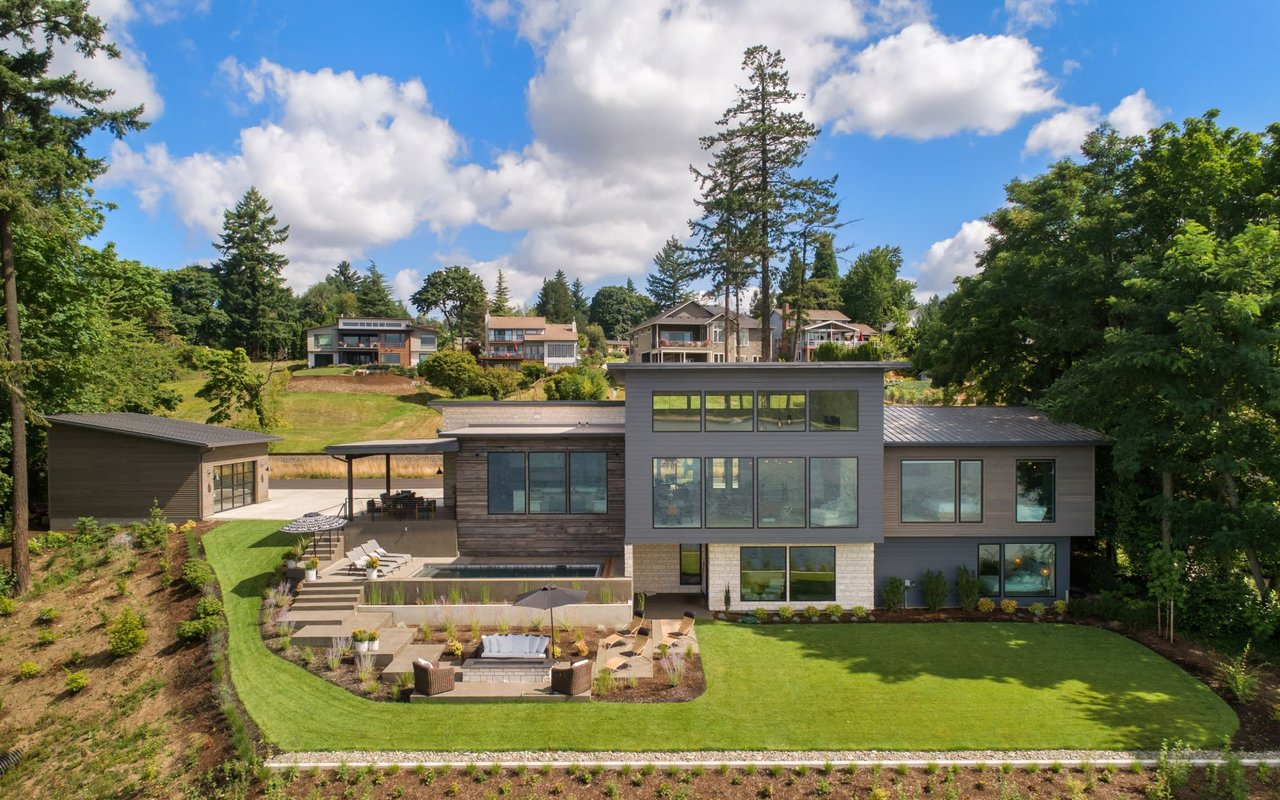
A new build often works best if you want a home that feels turnkey from day one. Zillow’s research on new-construction buyers found that the top reason buyers chose new was move-in readiness without repairs or updates. Other major reasons included customization, modern floor plans, energy efficiency, and lower maintenance costs.
If that sounds like you, a new build may offer several advantages:
In Menomonee Falls, there is real new-construction activity, not just a few isolated projects. The village’s 2025 year-in-review materials note approvals for single-family homes, duplex units, and age-restricted apartment units, and state that Menomonee Falls was a regional leader for single-family construction in 2025.
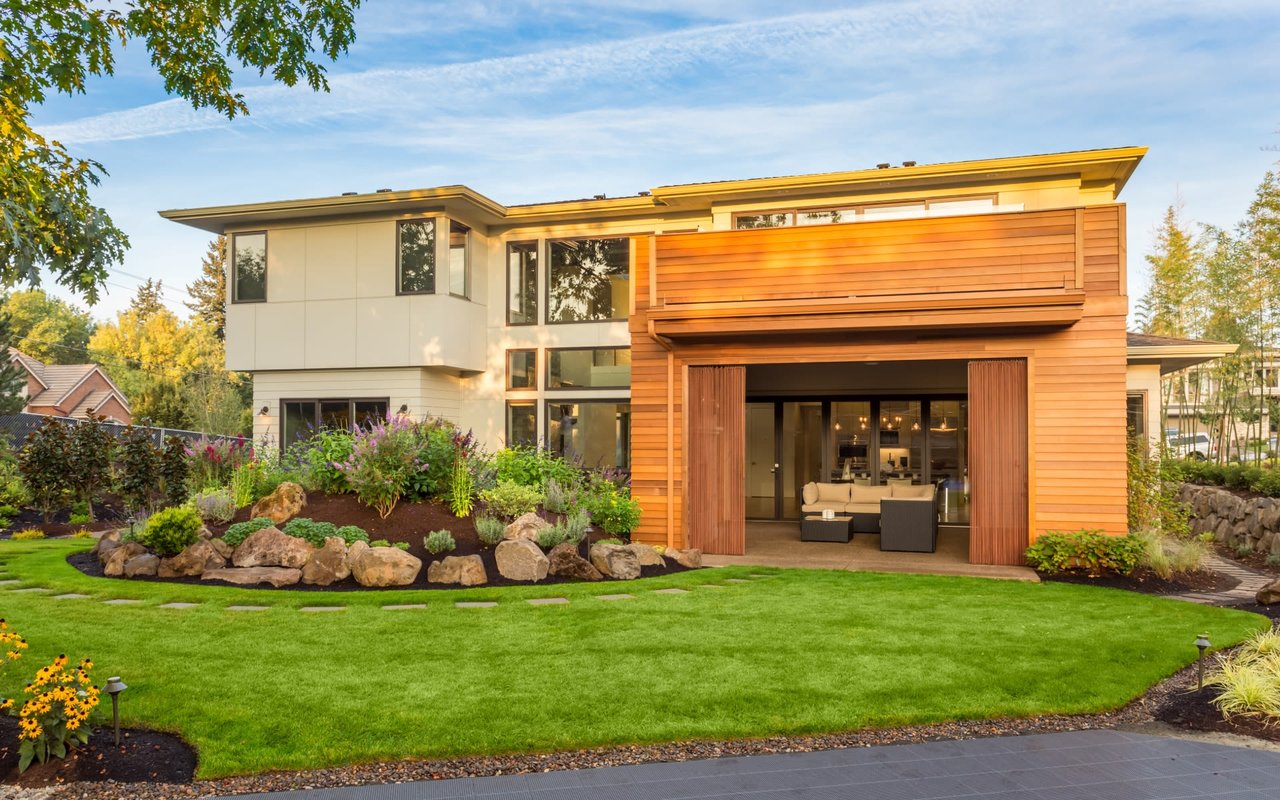
An existing home may be the better match if you want a lower entry point, quicker move-in, or a more established setting. Since so much of Menomonee Falls housing was built before 1980, buyers have a larger pool of older homes to choose from. That gives you more opportunities to compare lot size, layout, and price.
Existing homes can be especially appealing if you want to move quickly. They may also make sense if you prefer the character or setting of older homes, or if your budget aligns more comfortably with resale inventory than new construction pricing. In a market where starter homes are estimated well below most new builds, that difference can be significant.
If timing matters, existing homes usually have the edge. Zillow says a conventional-financed home purchase commonly closes about 30 to 45 days after contract. The Consumer Financial Protection Bureau guidance referenced by Zillow also notes key final steps such as the walk-through, document review, and possible waiting periods if closing terms change.
New construction usually takes longer because it includes more steps before occupancy. In Menomonee Falls, the village requires materials such as a survey, erosion-control information, a signed energy analysis, and any required sanitary permit with the building application. The village also requires erosion control to be installed and inspected before the building permit is issued, followed by staged inspections during construction, including footing, foundation, rough, insulation, and final inspections, as outlined on the village’s new one- and two-family home requirements page.
That does not mean a new build is a bad idea. It simply means you should plan for more moving pieces and more timeline variability. If you need to move by a firm date, an existing home may offer more certainty.
It is easy to assume a new home means fewer concerns and an older home means more risk. In reality, both deserve careful due diligence. Even with new construction, the National Association of REALTORS® says buyers may choose to have an inspection between signing and closing, and inspections can uncover issues involving structure, roof, plumbing, electrical, HVAC, drainage, ventilation, and safety systems.
For existing homes, condition matters even more because of age-related wear. Systems may be older, layouts may reflect another era, and deferred maintenance can affect your short- and long-term costs. A thorough inspection helps you understand what you are buying, what may need attention soon, and whether the home still fits your budget after repairs.
In Menomonee Falls, older homes bring a few Wisconsin-specific issues into sharper focus. The Wisconsin Department of Health Services says lead can be found in paint, dust, soil, and plumbing in older homes. For homes built before 1978, sellers must provide buyers a 10-day period to obtain a lead-based paint inspection or risk assessment.
Radon is another important consideration. Wisconsin DHS recommends radon testing during real estate transactions and says sellers must disclose known unsafe levels. A short-term radon test in a transaction typically lasts at least 48 hours under closed conditions.
New homes are not exempt from radon planning either. The EPA advises buyers to ask whether radon-resistant features were used and to test the home after occupancy, even if those features are present. So while a new home may reduce some age-related concerns, it does not remove the need for independent testing and review.
The best value is not always the cheapest home or the newest one. Often, the stronger decision comes down to whether the home matches local demand, your upkeep capacity, and your timeline. Menomonee Falls continues to show solid housing demand, and the village’s comprehensive plan says it will need more owner-occupied units by 2035 to meet demand and support healthier vacancy levels.
That is one reason both new and existing homes can perform well over time when they are well located, realistically priced, and properly maintained. A new home may give you lower repair costs early on, while an existing home may let you enter the market at a lower price and build equity as you improve the property over time.
If you are still weighing both paths, this quick framework can help:
In Menomonee Falls, the right answer usually comes down to your priorities, not a universal rule. If your top concern is convenience and lower maintenance, a new build may be worth the premium. If your top concern is affordability, speed, or finding the right lot and setting, an existing home may be the smarter play.
The key is having a plan before you start touring homes or comparing builders. When you understand your budget, timing, inspection strategy, and tolerance for repairs, you can evaluate each option more clearly. If you want help weighing resale inventory against new-build opportunities in Menomonee Falls, Walters Realty Group can guide you through the numbers, the timeline, and the negotiation strategy with a calm, education-first approach.




Whether you are buying, selling, or stepping into a new chapter, Walters Realty Group delivers the expertise, strategy, and elevated service to make your move seamless from start to finish. Connect with our team today and let us guide your next move with confidence.