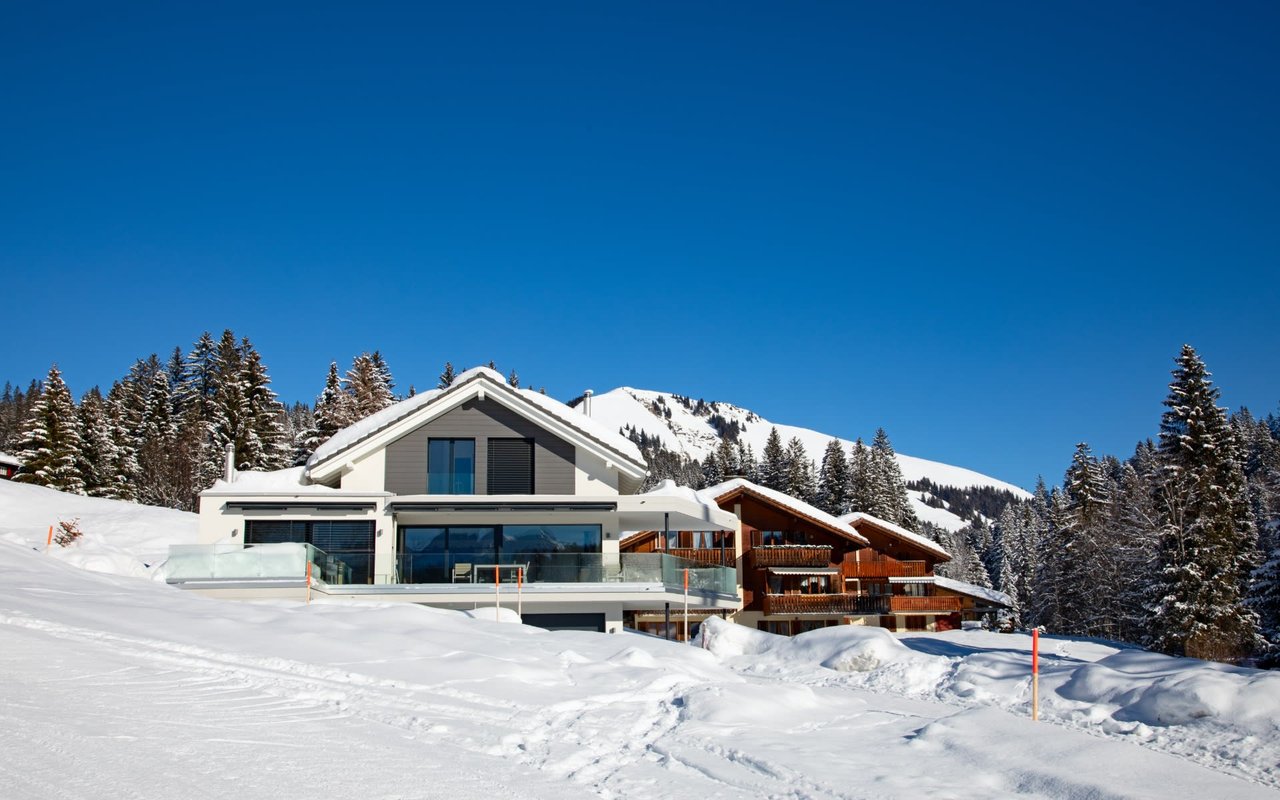
Moving From Dallas or Atlanta to Wisconsin Before Winter
Angela Walters October 15, 2026
Angela Walters October 15, 2026
A Wisconsin winter should influence your home search, but it should not intimidate you. The goal is not to avoid snow. It is to choose a property whose design, systems and service plan make winter ordinary.
For buyers moving from Dallas, Atlanta or another warm-weather market, October offers a valuable advantage. You can inspect heating systems, drainage, rooflines, tree conditions and access before snow changes what is visible. You can also build a service network before the first major storm.
The central question is simple: will this home remain comfortable, accessible and manageable when the temperature falls and daylight shortens?
Square footage does not determine winter comfort. Air sealing, insulation, window performance, roof design and moisture control do.
Ask for utility histories when available, but do not read them without context. Occupancy patterns, thermostat settings, pool equipment, heated garages and additions can distort comparisons. A professional energy assessment may identify leakage or insulation gaps that a standard showing cannot.
In older Milwaukee, Shorewood and Whitefish Bay homes, original materials may be part of the architectural value. Replacement is not the only answer. Thoughtful restoration, storm windows, weatherstripping and targeted insulation can preserve character while improving performance. Use professionals who understand both building science and historic construction.
Identify the fuel, equipment age, service history, zoning and distribution method. A large residence may use multiple furnaces, boilers, radiant systems, heat pumps or combinations.
The U.S. Department of Energy notes that cold climates require appropriately designed heat-pump equipment. Do not assume a system selected for a warmer region will perform identically in Wisconsin. Ask what provides heat at low outdoor temperatures and what happens during a power interruption.
For homes with expansive glass, high ceilings or additions, pay attention to comfort at the edges of the building. A recent furnace does not automatically correct poor air sealing or unbalanced distribution.
Walk the driveway and entry as if several inches of snow were present. Consider slope, curves, retaining walls, drainage, turnaround space and the distance to the public road. A private River Hills drive can be beautiful and operationally demanding. A lake property may have grade changes that become slippery.
Ask:
Secure contractors early. The right service provider may matter more than buying another piece of equipment.
A permanently installed generator can support critical systems, but capacity matters. Determine which circuits it serves, fuel source, maintenance history and transfer-switch operation. A whole-estate expectation may exceed what the equipment actually powers.
If remote work is central, evaluate internet service at the address, not the neighborhood. Ask about backup connectivity and whether network equipment is supported during an outage.
Smart thermostats, leak sensors and cameras can be useful for second homes, yet they depend on power, communication and thoughtful setup. Technology should support an operating plan, not replace one.
Winter problems often begin with water. Examine gutters, downspouts, grading, foundation drainage, low roof transitions and evidence of ice dams. Ask how exterior faucets, irrigation, pools, fountains, boathouses and seasonal plumbing are winterized.
On Lake Michigan or inland-lake properties, exposure can change conditions significantly. Wind, freeze-thaw cycles and shoreline access affect materials and maintenance. The right inspection may require specialists beyond a general home inspection.
For many Southern buyers, the garage is storage. In Wisconsin, it is part of daily winter circulation. Assess vehicle capacity with doors closed, turning space, floor drainage, insulation, heating, electrical service and entry to the house.
A mudroom should handle wet boots, coats, sports equipment and packages without disrupting the formal spaces. Practical design can be a luxury feature because it protects the rest of the home.
Whitefish Bay and Shorewood may appeal to buyers who want a compact routine and nearby village destinations. Fox Point, Bayside and Mequon provide different combinations of lot size, privacy and access. River Hills offers estate-scale settings. Elm Grove and Brookfield can be practical for western employment centers, while Lake Country adds water and recreation with a more complex property-operating profile.
Test the route from a prospective home to work, school, health care, groceries and the airport. A drive that feels effortless on an October afternoon may deserve another look after dark or during weather.
Before closing, collect service contacts, equipment manuals, shutoff locations, snow agreements, generator instructions and winterization schedules. Create a calendar for filters, boiler or furnace service, chimney work, irrigation shutdown, dock removal and roof or gutter checks as applicable.
Angela's professional analysis: Southern buyers often over-focus on snowfall and under-focus on systems. In my professional analysis, a well-operated Wisconsin home can be easier to live in than a poorly planned warm-climate property. The difference is due diligence, building performance and reliable service relationships.
I translate the client's work, travel and family routines into a property-operating brief. During tours, I look beyond finishes to circulation, mechanicals, access, exposure and maintenance. I coordinate virtual previews and appropriate local specialists, then help the client compare total ownership rather than purchase price alone.
CTA: Planning a move from Dallas, Atlanta or another Southern market? Contact Angela Walters at Walters Realty Group for a confidential Wisconsin relocation strategy and a winter-ready property search.
There is no required date, but an early-fall search allows more time to inspect exterior conditions and arrange services before sustained cold or snow.
Not every home does. Consider outage history, critical systems, property location, medical needs and whether the home will be occupied when owners travel.
Cold-climate heat pumps can be suitable when correctly selected and installed. Confirm low-temperature performance and backup strategy with a qualified HVAC professional.
Ask about trigger depth, response time, ice treatment, sidewalks, snow storage, damage responsibility and emergency access.
Not necessarily. Condition, air sealing, insulation and system design matter more than age alone. Historic materials require informed evaluation.




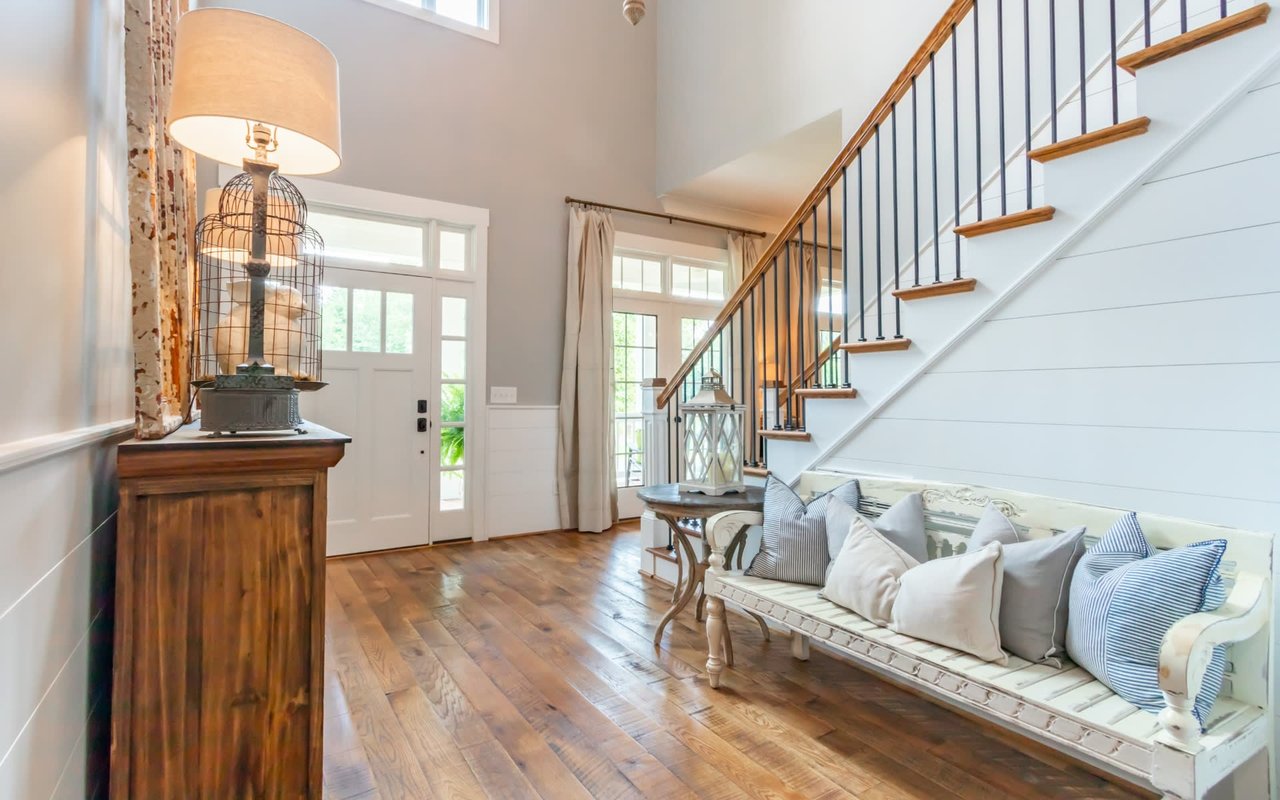
Seller Credit or Price Reduction? How to Negotiate at 7.40%
Whether you are buying, selling, or stepping into a new chapter, Walters Realty Group delivers the expertise, strategy, and elevated service to make your move seamless from start to finish. Connect with our team today and let us guide your next move with confidence.