Water Security Is Quietly Becoming a Luxury Amenity
June 15, 2026
June 15, 2026
For a long time, the things that made a property feel like a luxury were visible: the view, the finishes, the address. A quieter set of criteria has started to matter just as much, and most of it has to do with water, weather, and risk.
Talk to enough buyers over the past year and a pattern emerges. The questions have changed. Alongside the usual ones about frontage and square footage, people now ask about flood maps, insurance availability, summer temperatures, and how reliable the local grid is in a heat wave. These used to be the concerns of engineers and underwriters. Now they belong to anyone deciding where to put a meaningful share of their net worth. There is data behind the shift. Surveys in 2026 have found that roughly half of American homeowners are at least considering a move because of climate events, and high-risk flood and fire zones have seen real net outflows of residents. When insurance becomes expensive or hard to get, the math on a beautiful coastal property changes, sometimes overnight. A house you cannot affordably insure is not the asset it used to be. This is where the Great Lakes region has started to look different to the people who study these things. Abundant fresh water, cooler summers, a stable grid, and dramatically lower exposure to flooding and wildfire are no longer treated as pleasant background facts. They read increasingly like financial assets, the kind that protect both your comfort and the long-term insurability of what you own. Wisconsin sits squarely inside that advantage. The state is defined by water, and not the kind that threatens a coastline. It is lakes you swim in, rivers you paddle, and a regional supply that is among the most secure in the country. The summers are warm without the punishing, gridstraining extremes that have become routine elsewhere. The winters are real, which keeps the place honest and uncrowded. For a buyer thinking in decades rather than seasons, that profile is starting to feel less like a compromise and more like foresight. It would be easy to oversell this, so let me be measured. No region is risk-free, climate patterns are complex, and insurance markets can change anywhere. Anyone buying for resilience should still do the specific homework: check the flood designation for the exact parcel, ask about local insurance availability, and understand the property's own vulnerabilities. Foresight is not a substitute for diligence. But the direction of travel is hard to ignore. The buyers moving thoughtfully right now are not panicking, and they are not chasing a doomsday narrative. They are simply repricing risk the way any careful investor would. They have noticed that a property's exposure to water, heat, and disaster is becoming part of its value, and they are positioning accordingly while the advantage is still underpriced
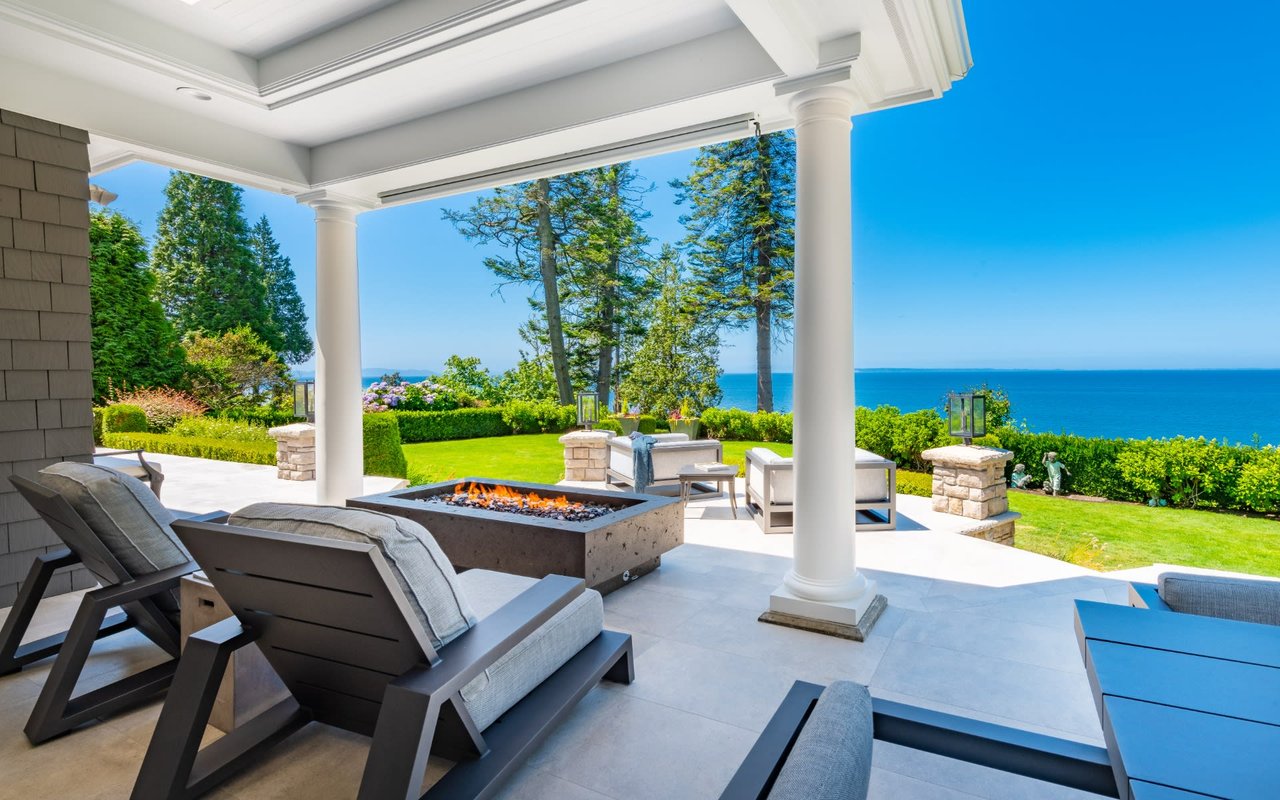
What makes this moment interesting is that the resilient choice and the beautiful choice have converged. A lakefront retreat in Wisconsin is not a sacrifice you make for safety. It is a genuinely lovely place to spend your life that also happens to sit on the right side of some powerful long-term trends. That overlap, beauty and security in the same address, is rare, and it does not usually stay a secret for long. There is a generational dimension to this as well. The people thinking hardest about resilience are often buying with their children and grandchildren in mind, not just themselves. A property that stays insurable, comfortable, and desirable across decades is a very different inheritance than one whose value is quietly eroding under rising premiums and worsening summers. When you frame a purchase as something you intend to pass down, water security stops being an abstraction and becomes one of the most important questions you can ask. None of this means the coasts are finished or that the Midwest is suddenly the only sensible place to own. Plenty of people will keep loving and buying coastal property for good reasons. The point is narrower and more useful: the relative math has shifted, and a region that was once dismissed as a consolation prize now offers a combination, natural beauty, water, and durability, that is genuinely hard to find elsewhere at any price. Recognizing that early is simply good judgment, the same instinct that makes a careful buyer read the inspection report instead of trusting the fresh paint.
If long-term resilience is part of how you evaluate a property, we can help you weigh it honestly, flood designations, insurance realities, and all. Start the conversation at waltersrealtywi.com
Why are buyers moving to the Great Lakes region for climate reasons? The Great Lakes region offers abundant fresh water, cooler summers, a stable grid, and much lower flood and wildfire risk than many coastal and Sun Belt markets. With 2026 surveys showing roughly half of homeowners weighing a move over climate events and insurance costs rising in high-risk zones, these traits increasingly read as financial assets, not just lifestyle perks. Is Wisconsin considered a climate-resilient place to buy property? Wisconsin is frequently cited for its water security, cooler summers, and comparatively low exposure to flooding and wildfire, which support both comfort and long-term insurability. No location is risk-free, so buyers should still verify the flood designation and insurance availability for a specific parcel. Does climate risk affect home insurance and value? Walters Realty Group — Weekly Content Batch waltersrealtywi.com | Page 11 Yes. In high-risk flood and fire areas, insurance has become more expensive or harder to obtain, which can reduce a property's practical value and marketability. Buyers increasingly factor a property's exposure to water, heat, and disaster into what they are willing to pay.
Whether you are buying, selling, or stepping into a new chapter, Walters Realty Group delivers the expertise, strategy, and elevated service to make your move seamless from start to finish. Connect with our team today and let us guide your next move with confidence.